From Waste to Wealth: Thai Airways' Upcycling for a Livable Future
In an era where environmental consciousness is no longer optional but imperative, leading corporations are stepping up to redefine their operational paradigms. Thai Airways International Public Company Limited stands at the forefront of this global shift, demonstrating a profound commitment to sustainable development. Their innovative "From Waste to Wealth" philosophy transcends mere rhetoric, translating into tangible projects aimed at fostering a healthier planet and a more vibrant society. This journey towards sustainability is about more than just reducing impact; it's about actively contributing to the *erholung* – the recovery and rejuvenation – of our planet, ensuring a livable future for all. Through strategic initiatives like upcycling retired aircraft materials and championing sustainable aviation fuels, Thai Airways is carving a path for responsible growth, proving that profitability and planetary well-being can indeed go hand-in-hand.
The "Waste to Wealth" Philosophy: A New Era for Thai Airways
Sustainable development, at its core, is a balanced integration of environmental, social, and economic aspects. It champions economic stability that goes beyond purely material growth, emphasizing human development and the cultivation of strong, livable communities. This holistic approach prioritizes equality, justice, and the active participation of all stakeholders, promoting responsible resource use while steadfastly preserving our natural environment. Thai Airways has embraced this definition wholeheartedly, making it a cornerstone of their long-term strategy.
A prime example of this commitment is the "FROM WASTE TO WEALTH" forum, an initiative designed to foster eco-friendly product design. On July 5, 2024, the culmination of the "Zero Waste Living by THAI" project saw Mr. Taviroj Songkhampon presiding over the award ceremony for the Upcycling Product Design Contest. The event, held at the company’s headquarters, was graced by distinguished guests including Ms. Khu Chantharika Chotikasetthakorn and Mr. Chaiyong Rattanapai-suksak, highlighting the institutional support for such endeavors. Organized by the Corporate Strategy Division, the project’s central aim is to creatively repurpose unused materials, inviting individuals to contribute their innovative design ideas. This initiative isn't just about waste reduction; it's about inspiring a positive ripple effect, demonstrating how creativity can transform potential waste into valuable assets, thereby making a significant impact on the world and its environment. These visionary projects are central to achieving a comprehensive
thai airways erholung, extending beyond operational recovery to environmental rejuvenation.
Repurposing Legacy: From Cabin to Creative Treasures
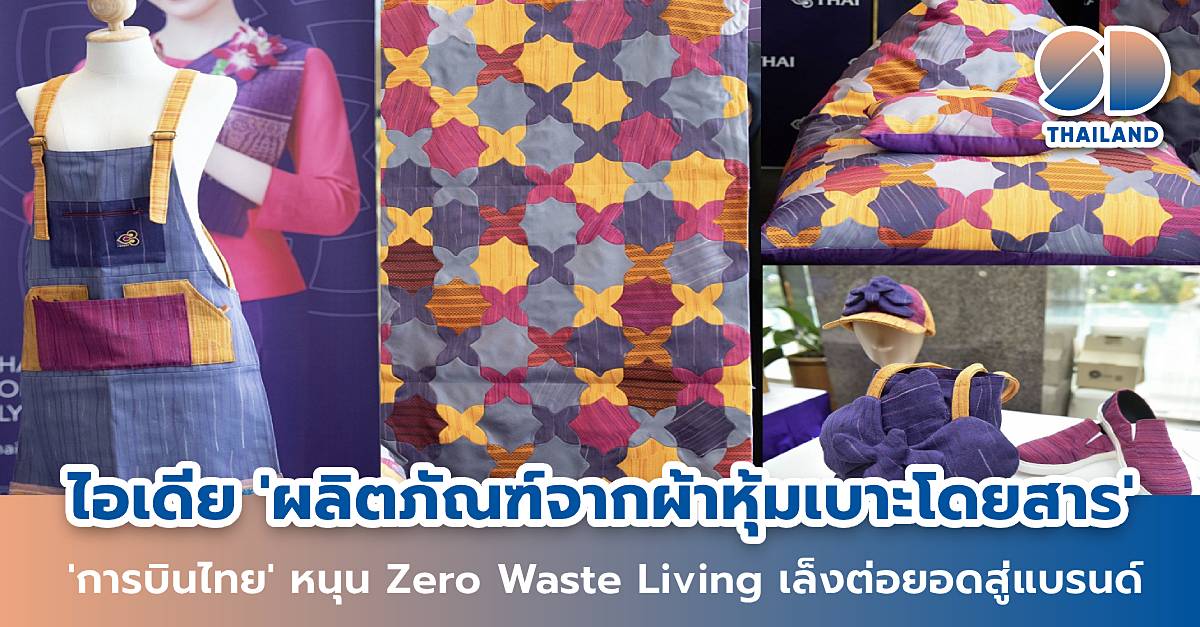
One of the most compelling aspects of the "Zero Waste Living by THAI" project is its focus on upcycling fabric from retired passenger aircraft seats. Imagine the journeys these fabrics have witnessed, the stories they could tell. Rather than ending up in landfills, these materials are given a new lease on life, transformed into stylish and functional products. The Upcycling Product Design Contest specifically challenged participants to innovate with these unique textiles.
The potential for such repurposing is vast and inspiring. What once covered a seat on a cross-continental flight could now become:
- Chic Tote Bags and Backpacks: Durable and unique, perfect for everyday use or travel.
- Fashionable Accessories: Wallets, passport holders, or even watch straps, showcasing a piece of aviation history.
- Home Decor Items: Cushion covers, laptop sleeves, or unique wall art, bringing a touch of aeronautical flair into living spaces.
- Specialty Merchandise: Exclusive items for aviation enthusiasts, collectors, or responsible consumers.
This approach not only reduces waste but also infuses products with a sense of history and character that mass-produced items lack. By engaging designers and the wider community, Thai Airways fosters a sense of collective ownership in their sustainability journey. This creative reuse aligns perfectly with the principles of a circular economy, where resources are kept in use for as long as possible, extracting maximum value before being recovered and regenerated. It’s a powerful statement that even the most worn materials can contribute to a renewed sense of well-being – a form of
erholung for resources themselves. For passengers and enthusiasts, owning an upcycled item from Thai Airways offers a tangible connection to the airline's commitment to a sustainable future, adding a layer of meaning to their purchase.
Flying Towards a Greener Horizon: Sustainable Aviation Fuel (SAF) and Net Zero Goals
While upcycling addresses material waste, Thai Airways is also tackling the significant challenge of aviation emissions. The company has set an ambitious goal to achieve NET Zero emissions by 2050, aligning with global efforts to combat climate change. This commitment necessitates a multi-pronged strategy, with a strong emphasis on Sustainable Aviation Fuels (SAF).
To accelerate the adoption of SAF in Thailand, Thai Airways International Public Company Limited has forged a crucial Memorandum of Understanding (MOU) with industry leaders: PTT Global Chemical Public Company Limited, Bangchak Corporation Public Company Limited, and PTT Oil and Retail Business Public Company Limited. This collaboration is designed to facilitate the exchange of knowledge, experience, and technical support, paving the way for wider SAF implementation across the country.
SAF represents a monumental leap forward in aviation sustainability. Unlike conventional jet fuel, SAF is produced from sustainable feedstocks such as used cooking oil, agricultural waste, or even municipal solid waste, significantly reducing carbon dioxide emissions throughout its lifecycle. It can slash CO2 emissions by up to 80% compared to standard fuels. Crucially, SAF can be blended with existing Jet A1 fuel without requiring modifications to aircraft engines or airport infrastructure, and it fully complies with the stringent safety standards set by the International Civil Aviation Organization (ICAO) and the International Air Transport Association (IATA). This proactive adoption also aligns with the European Union's escalating requirements for SAF blending ratios for flights departing from European airports, positioning Thai Airways as a forward-thinking global carrier.
A significant milestone in this journey was the pilot use of SAF on flights between Phuket and Bangkok on December 13, 2023, in collaboration with PTT Oil and Retail Business Public Company Limited (OR). This tangible demonstration underscores Thai Airways' unwavering commitment to environmental sustainability and provides invaluable real-world experience. For a deeper dive into their carbon reduction strategies, explore
Thai Airways' Green Recovery: Paving the Way to Net Zero by 2050, and understand the core of their efforts in
Sustainable Aviation Fuel: Thai Airways' Key to Eco-Friendly Flights. These initiatives are not just about meeting targets; they are about securing an environmental
thai airways erholung that benefits every journey and every generation.
Beyond the Skies: Thai Airways' Holistic Approach to a Livable Future
Thai Airways' dedication to a livable future extends far beyond upcycling and SAF. It encompasses a holistic approach to sustainable growth, recognizing that true sustainability integrates environmental protection with social equity and economic viability. The airline champions community involvement, ensuring that its initiatives foster equality and justice within the societies it serves. This means not just reducing its own footprint, but also empowering and involving various stakeholders in the journey towards sustainability.
For travelers and consumers, understanding and supporting these initiatives is key. Here are some practical ways to contribute to a sustainable future, inspired by Thai Airways' vision:
- Support Sustainable Brands: Choose airlines and businesses that transparently demonstrate their commitment to environmental and social responsibility.
- Embrace Upcycling in Your Life: Look for opportunities to repurpose old items or purchase products made from recycled materials. A simple DIY project can make a big difference.
- Reduce, Reuse, Recycle: Continue to practice the fundamental principles of waste management in your daily life.
- Advocate for Change: Encourage companies and policymakers to adopt greener practices and support the transition to renewable energy sources.
- Educate Yourself: Stay informed about environmental issues and sustainable solutions to make conscious choices.
By fostering such widespread participation, Thai Airways is not only achieving its own sustainability goals but also inspiring a broader movement towards a more conscious way of living and traveling. This collective effort is crucial for achieving a global sense of *erholung*, where both nature and humanity can thrive.
Conclusion
Thai Airways' "From Waste to Wealth" initiative, coupled with its ambitious Net Zero goals and pioneering work with Sustainable Aviation Fuels, exemplifies a comprehensive commitment to a livable future. From creatively transforming retired aircraft seat fabrics into new treasures to significantly reducing carbon emissions through SAF, the airline is demonstrating that sustainable development is both achievable and essential. These multifaceted efforts reflect a deep understanding of the balanced approach required – integrating environmental stewardship, social responsibility, and economic stability. By actively pursuing innovation and collaboration, Thai Airways is not only ensuring its own long-term viability but also playing a crucial role in the *erholung* – the recovery and well-being – of our planet. Their journey serves as an inspiring blueprint for how industries can pivot towards greener practices, proving that a prosperous future is intrinsically linked to a sustainable one.